




Is IVDD inevitable? The real odds for dachshund owners
You searched it at some awful hour, didn't you? Something like "dachshund back problems how likely." Here's the answer nobody gives straight - with the actual numbers.
The short version
- About 15 in 100 dachshunds develop symptomatic IVDD in the largest studies - most never do.
- Genetics set the baseline; the everyday levers - lean weight, load off the neck, softer landings - are yours.
- The setup takes one evening. The worry can stop running your house.
The number: about 15 in 100
In the largest US study, owners reported a disc disease diagnosis in about 15 in 100 dachshunds (JAVMA 2025: 83 of 541 dachshunds). The DachsLife 2015 survey of 2,031 owners landed in the same place, 15.7%, and it varied by coat: from about 7 in 100 Standard Wire-haired dachshunds to about 24 in 100 Standard Smooth-haired.
Read the number backwards: about 85 in 100 dachshunds never develop clinical IVDD. If the internet convinced you an episode is scheduled - that's the fear talking, not the data.
Why dachshunds at all?
The same genetics that give the breed its long, low silhouette - an FGF4 retrogene on chromosome 12, the "CDDY" result on DNA tests - also changes how their disc cartilage ages. It's near-universal in the breed. That's why dachshund odds run about 13× a mixed-breed dog's (Wee & Nin 2025, JAVMA - an analysis of 43,517 dogs in the Dog Aging Project, 541 of them dachshunds).
Here's the part that matters: nearly every dachshund carries the genetics, yet most never develop the disease. Genetics set the baseline. They don't write the ending. Think of it the way doctors talk about family history - a reason to pay attention, not a verdict.
What actually shifts the odds
- Body weight - the best-evidenced lever there is. Overweight dachshunds carried meaningfully higher odds (OR 1.67) in the JAVMA 2025 study. If you do exactly one thing after reading this: ask your vet to show you a body-condition score, and keep your dog lean.
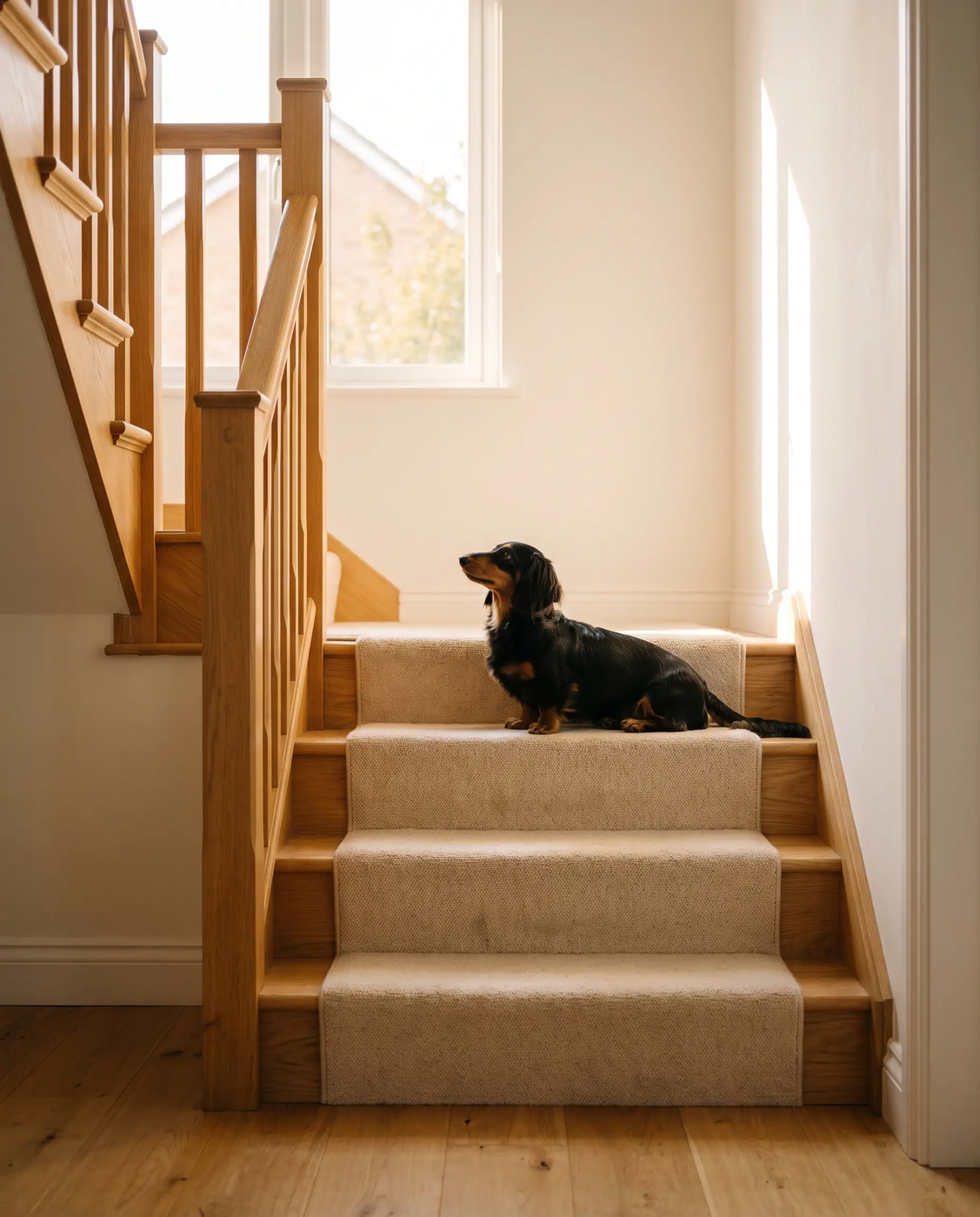
- Movement is protective, not dangerous. The same study found regular, controlled stair use associated with lower risk - and active, well-muscled dogs fare better across the literature. Muscle supports the spine. Don't bubble-wrap the dog.
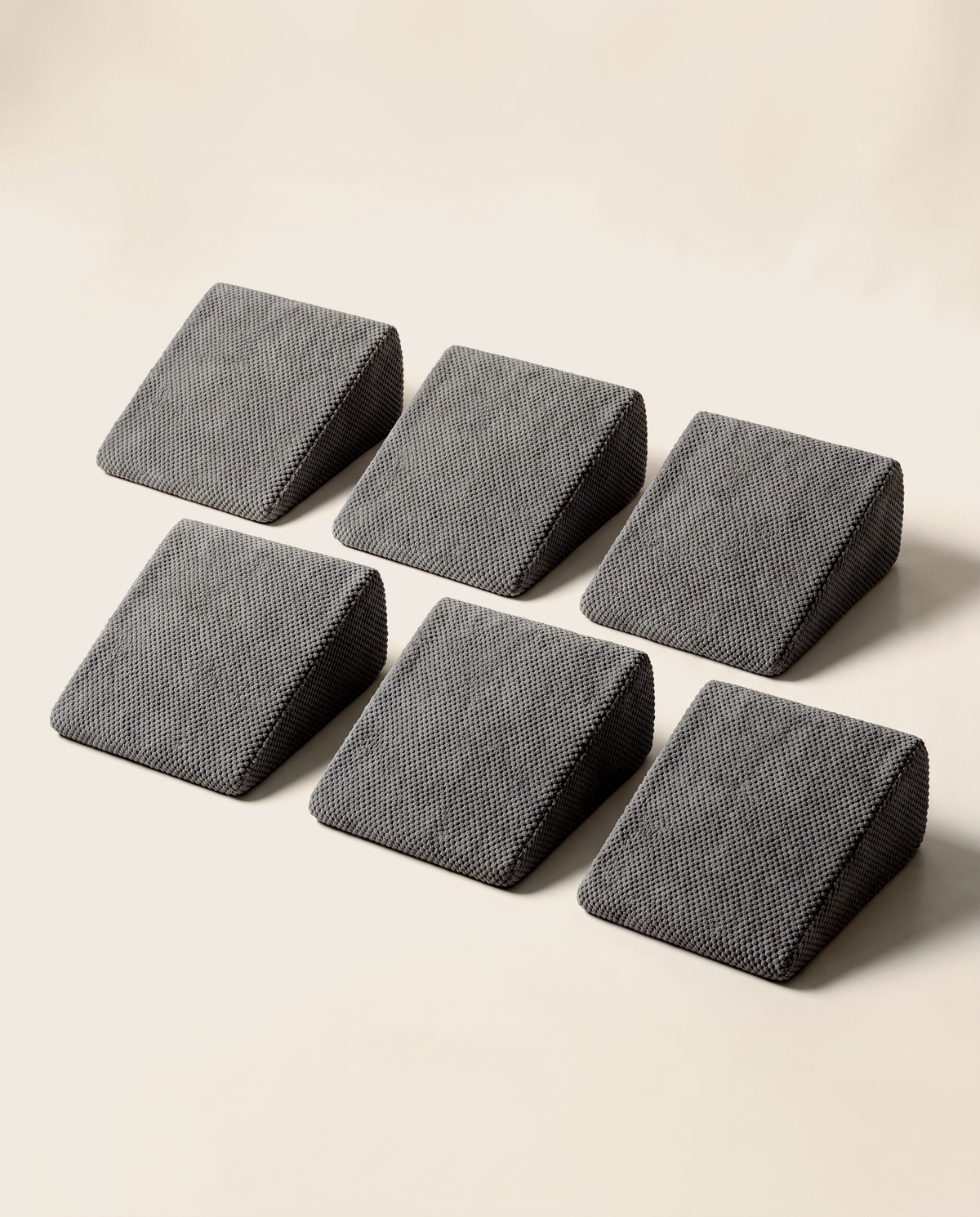
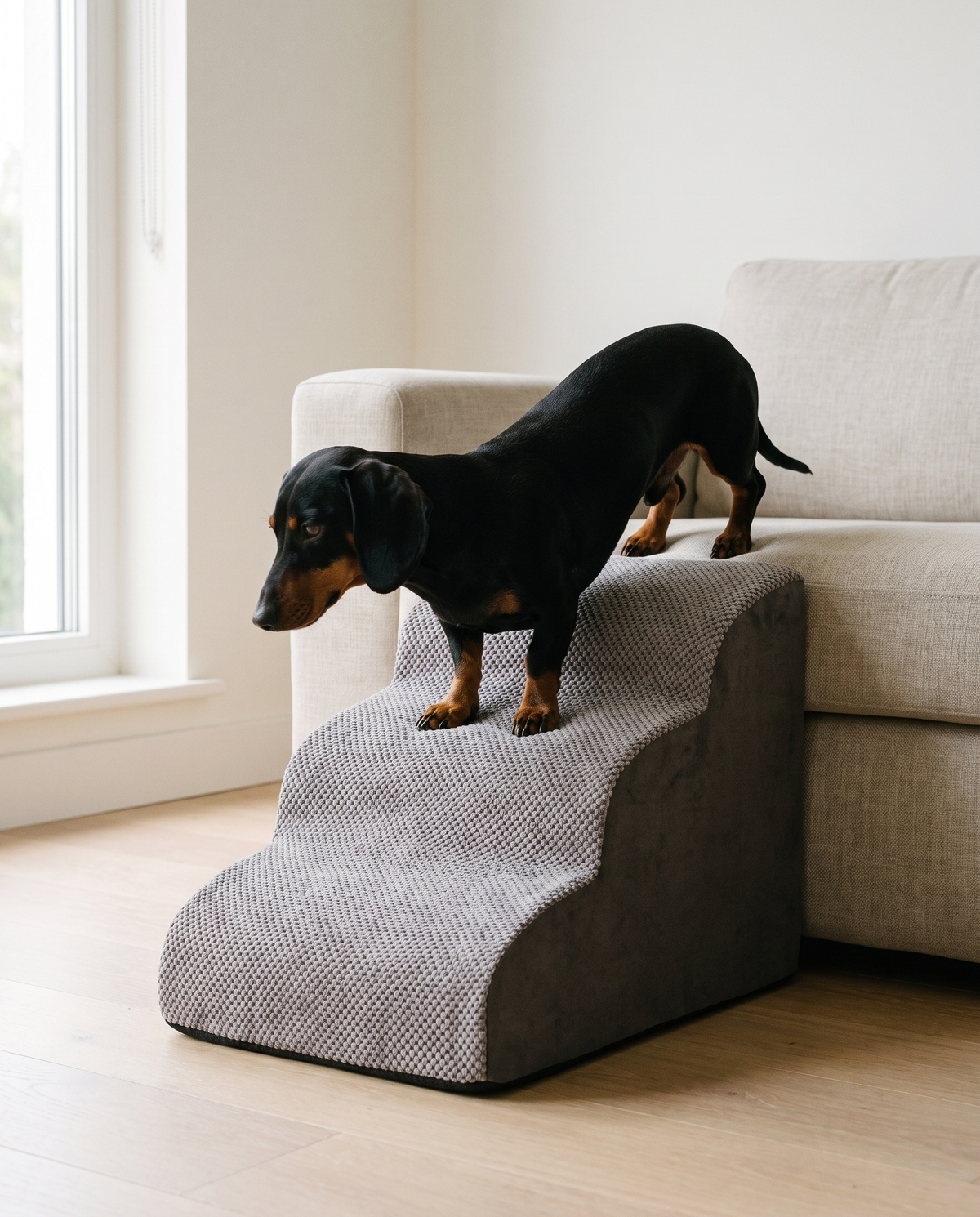
- The landing, not the living. The repeated, jarring impact of launching off furniture is the part to change. Dr. Andrew Isaacs, a board-certified veterinary neurologist, calls minimizing high-impact activity the most important factor in managing this breed's back. Short legs are poor shock absorbers, and the force lands on the long back. Ramps and eased steps keep the habit and remove the impact.
- Neuter timing is worth a conversation. Early-neutered dogs showed higher risk in the data we have (early-spayed females ~2× relative risk, Dorn & Seath 2018). Not a decision to make from a blog post - a decision to make with your vet, informed.
Worry is just a plan you haven't built yet. Three questions, two minutes - get the setup mapped for your dog.
What doesn't shift the odds
Supplements. The community swears by glucosamine - but in the DachsLife cohort, supplemented dogs showed roughly twice the IVDD rate. The likeliest read is reverse causation (owners supplement dogs already struggling), but either way: no supplement has yet been shown to protect dachshund discs - the same money does more on the levers above.
The takeaway
About 15 in 100 - which means most never. A short list of levers you control: lean weight, real movement, softer landings, informed timing decisions.
Understanding IVDD: the full evidence picture →
Keep reading: The early warning signs to know cold · Stairs aren't the enemy - what the biggest study actually found
Sources: Wee & Nin 2025, JAVMA (Dog Aging Project, n=43,517) · Packer et al. 2015 "DachsLife", Canine Genetics & Epidemiology (n=2,031) · Brown et al. 2017, PNAS (FGF4/CDDY) · Dorn & Seath 2018, Canine Genetics & Epidemiology. Educational content only - not a substitute for veterinary care.